

 ZALO TINTA




News & Events
News & Events
Common Stainless Steel Ball Sizes for Manufacturing and Their Prices
Stainless Steel Ball Production Process
The production of stainless steel balls typically involves several steps, from raw material preparation to the final finishing. Below are the key stages of manufacturing stainless steel balls:
-
Raw Material Selection
- Stainless steel balls are produced from high-quality stainless steel alloys like 201, 304, and 316L. Each alloy offers unique properties, such as corrosion resistance, strength, and durability.
- The choice of alloy depends on the application. For instance, 304 and 316L are commonly used in food processing, medical, and marine industries due to their excellent resistance to corrosion.
-
Ball Forging or Casting
- The production process starts by either casting or forging stainless steel into rough ball shapes.
- Casting involves pouring molten stainless steel into molds, while forging involves shaping the material using heat and pressure.
-
Heat Treatment
- After the balls are formed, they undergo heat treatment to improve hardness and strength. This process involves heating the balls to a specific temperature and then cooling them rapidly (quenching).
-
Grinding and Lapping
- Once hardened, the balls are ground to a precise diameter using grinding machines. This process refines the size and removes surface imperfections.
- Lapping is a finishing step that involves using abrasive pads to give the balls a smooth, polished finish, which is critical for applications where smooth surfaces are essential.
-
Quality Control
- After finishing, each batch of stainless steel balls is inspected for dimensional accuracy, surface smoothness, hardness, and other quality parameters.
- Balls are often measured using micrometers or optical machines to ensure they meet precise specifications.
-
Packaging and Shipping
- Once the balls meet the required quality standards, they are sorted, packaged, and shipped to customers. Common packaging methods include bulk packing, individual bagging, or even specialized containers for sensitive applications.
Common Stainless Steel Ball Size Options
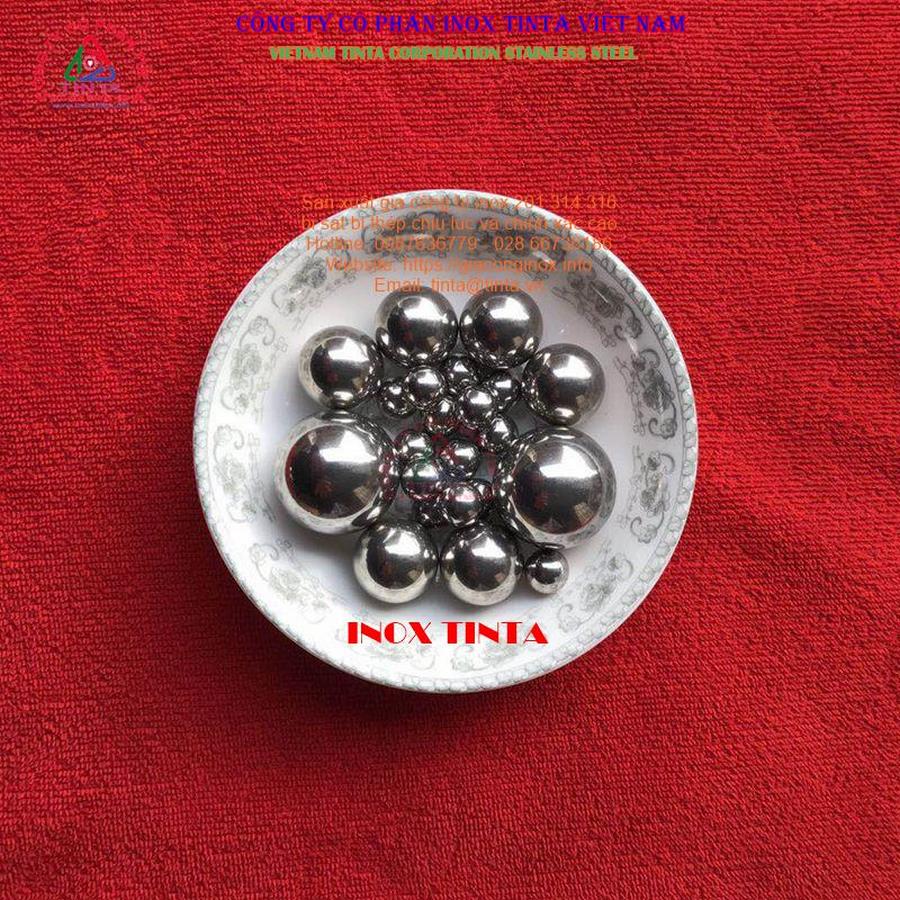
Stainless steel balls come in a variety of sizes to suit different industrial and commercial applications. Some of the most common sizes include:
-
Small Diameter Balls (0.5mm to 5mm):
- These sizes are often used in precise applications, such as bearings, medical equipment, or instruments.
-
Medium Diameter Balls (6mm to 20mm):
- These sizes are frequently used in larger bearings, valve components, and as abrasives in polishing applications.
-
Large Diameter Balls (21mm to 50mm):
- Large stainless steel balls are used in high-load industrial applications, such as in heavy-duty bearings, grinding media, or large valves.
-
Custom Sizes:
- Many manufacturers offer the ability to produce stainless steel balls in custom sizes based on customer specifications. This is particularly useful for specialized machinery or unique applications.
Popular Applications of Stainless Steel Balls
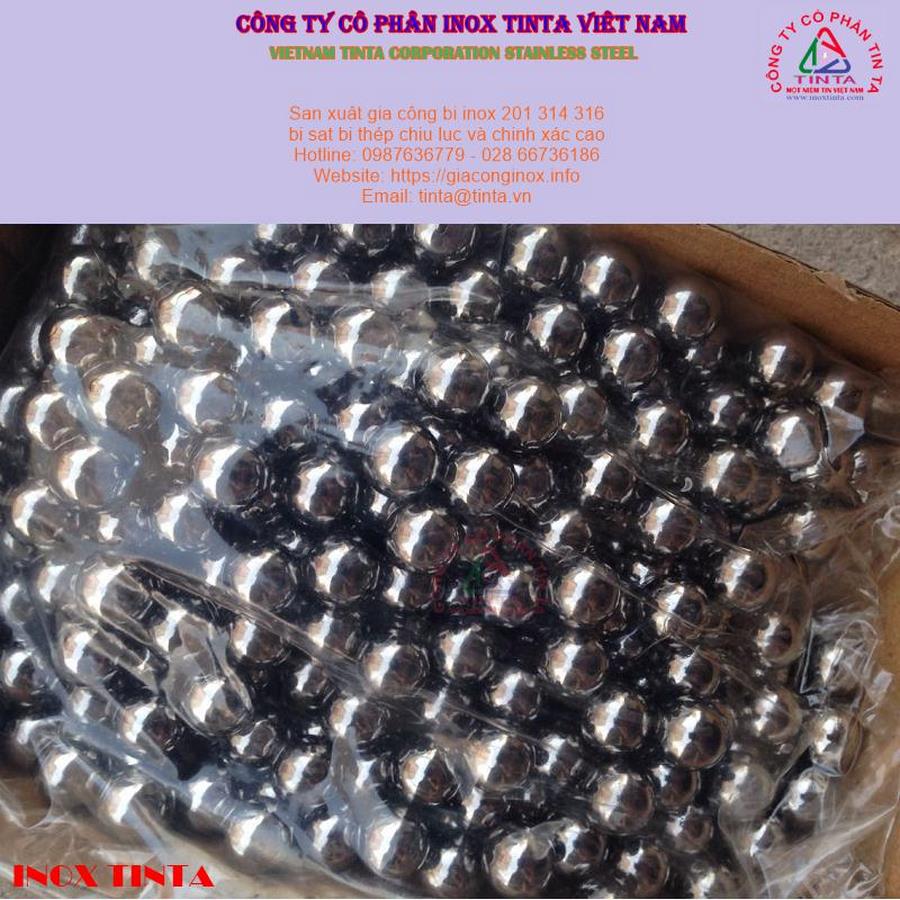
- Bearings: Stainless steel balls are commonly used in the production of ball bearings and roller bearings, where precise dimensions and durability are essential.
- Valves and Pumps: Balls made from stainless steel are used in ball valves and other fluid control equipment because of their smooth surface and resistance to corrosion.
- Abrasives and Polishing: Smaller stainless steel balls are often used in surface finishing applications, such as in tumbling or shot peening.
- Medical and Food Industries: Stainless steel balls made from 304 and 316L alloys are widely used in medical devices, implants, and food processing due to their biocompatibility and resistance to corrosion.
- Automotive and Aerospace: Stainless steel balls are critical components in automotive assemblies, aircraft systems, and high-performance machinery where reliability is paramount.
Factors Influencing Stainless Steel Ball Prices
Several factors can affect the price of stainless steel balls, including:
- Material Grade: Higher-quality alloys like 316L are typically more expensive due to their superior resistance to corrosion and other properties.
- Size and Quantity: Larger balls and custom sizes often cost more. Bulk orders typically result in a lower price per unit.
- Surface Finish and Precision: Balls with superior surface finishes or those that require high precision will usually be more expensive.
- Market Conditions: The cost of raw materials, such as nickel and chromium, can fluctuate, influencing the final price of stainless steel balls.
By understanding the production process and common size options, you can select the right stainless steel balls for your specific application while staying within your budget.
4o mini
Bạn đã nói:
Common Stainless Steel Ball Sizes for Manufacturing and Their Prices
ChatGPT đã nói:
ChatGPT
Common Stainless Steel Ball Sizes for Manufacturing and Their Prices
Stainless steel balls are used in various industries for different applications, and they come in a wide range of sizes. The choice of size directly influences the performance, durability, and cost-effectiveness of the balls in specific uses. Below, we’ll outline the most common stainless steel ball sizes for manufacturing and provide an overview of factors that influence their prices.
Common Stainless Steel Ball Sizes
-
Small Diameter Balls (0.5mm to 5mm)
- Applications: These tiny stainless steel balls are widely used in precision instruments, medical devices, miniature bearings, and even in some types of jewelry and abrasives.
- Standard Sizes: 1mm, 2mm, 3mm, 4mm, 5mm
- Popular Industries: Medical, electronics, automotive (miniature bearings), and precision machinery.
- Pricing:
- Prices for these small sizes typically range from $50 to $150 per kilogram, depending on the alloy and required quality.
-
Medium Diameter Balls (6mm to 20mm)
- Applications: Medium-sized stainless steel balls are commonly used in industrial bearings, valve components, grinding media, and as abrasive media in tumbling and polishing processes.
- Standard Sizes: 6mm, 8mm, 10mm, 12mm, 16mm, 20mm
- Popular Industries: Manufacturing, automotive, aerospace, industrial equipment, and machinery.
- Pricing:
- Prices for medium-size stainless steel balls usually range from $100 to $250 per kilogram depending on alloy and surface finish.
-
Large Diameter Balls (21mm to 50mm)
- Applications: These large stainless steel balls are used in heavy-duty industrial bearings, valves, and large grinding mills. They are also used in some specialized machinery for high-load applications.
- Standard Sizes: 25mm, 30mm, 40mm, 50mm
- Popular Industries: Industrial manufacturing, construction, mining, and heavy machinery.
- Pricing:
- Large stainless steel balls are priced higher, generally ranging from $300 to $600 per kilogram, depending on the alloy and specific requirements.
-
Custom Sizes
- Applications: Custom-sized stainless steel balls are often produced to meet specific needs, such as specialized equipment or unique manufacturing processes.
- Industries: Custom applications can span across multiple industries, such as aerospace, defense, automotive, and food processing.
- Pricing:
- Custom stainless steel balls can vary greatly in price, depending on the specific size and manufacturing complexity, but typically cost $200 to $500 per kilogram or more.
Factors Affecting Stainless Steel Ball Prices
-
Material Grade (201, 304, 316L)
- 201 Stainless Steel Balls: These are often the most affordable because of the lower nickel content. They are typically used for applications where resistance to corrosion is not a top priority.
- 304 Stainless Steel Balls: These balls are commonly used for general-purpose applications. They offer good resistance to oxidation and corrosion, especially in food processing and medical fields.
- 316L Stainless Steel Balls: These are the most expensive due to their superior corrosion resistance, especially in marine and chemical applications. 316L is highly preferred in harsh environments, such as in pharmaceuticals, medical devices, and food processing.
Price differences based on alloy:
- 201 Grade: Least expensive, typically 10-15% lower than 304 and 316L.
- 304 Grade: Mid-range in pricing.
- 316L Grade: Highest cost due to the addition of molybdenum for enhanced corrosion resistance.
-
Surface Finish
- Stainless steel balls can be produced with different surface finishes, such as matte, polished, or mirror finish. Higher surface finishes increase the cost due to the additional polishing and lapping processes.
-
Quantity and Bulk Orders
- Bulk purchases can reduce the per-kilogram cost of stainless steel balls, as manufacturers typically offer discounts on large orders. For smaller quantities, the cost per unit will be higher.
-
Precision and Tolerance
- Balls that require tighter tolerances, such as in high-precision bearings, will generally be more expensive than those with looser tolerances. For example, a stainless steel ball with a tolerance of ±0.001mm will be more expensive than one with a tolerance of ±0.05mm.
-
Packaging and Shipping
- Depending on the ball size, weight, and destination, shipping costs can significantly affect the total price, especially for large or custom-sized balls that require specialized packaging.
Estimated Price Ranges by Size and Material
| Size (mm) | 201 Grade Price (per kg) | 304 Grade Price (per kg) | 316L Grade Price (per kg) |
|---|---|---|---|
| 1mm - 5mm | $50 - $150 | $75 - $200 | $100 - $250 |
| 6mm - 12mm | $100 - $200 | $125 - $225 | $150 - $300 |
| 16mm - 20mm | $150 - $250 | $175 - $275 | $200 - $350 |
| 25mm - 50mm | $250 - $450 | $300 - $500 | $350 - $600 |
Conclusion
The price of stainless steel balls is largely influenced by factors such as the material grade, size, surface finish, and quantity. While smaller sizes tend to be more affordable, larger balls or those made from higher-grade alloys like 316L will cost more. It's important for manufacturers to assess their specific needs (e.g., durability, corrosion resistance) when selecting the appropriate size and material to balance performance and cost-effectiveness.
Other news ...
STAILESS STEEL PRODUCTS
Featured Products



Hot News
Does a Stainless Steel Playground Slide Get Hot – Effective Solutions for Outdoor Installations
stainless steel processing on demand low price in Ho Chi Minh City

Industrial stainless steel processing according to details design cheap prices

Outsourcing stainless steel household cheap price in Vung Tau, Dong Nai, Binh Duong